Dog Bandana Size Guide: A Comprehensive Overview (Updated 02/01/2026)
Finding the perfect fit for your canine companion’s bandana involves understanding styles, accurate measurements, and size charts, ensuring both comfort and a stylish look!
Bandanas come in various sizes, ranging from extra small for tiny breeds to extra large for bigger dogs, with weight-based guidelines for optimal selection.
Consider seasonal needs and fabric choices like cozy flannel, which is often more affordable than quilting cotton, for a comfortable and fashionable accessory.
Understanding Dog Bandana Styles
Dog bandanas primarily come in two popular styles: over-the-collar and tie-on, each offering distinct advantages and aesthetic appeal. Over-the-collar bandanas slide directly onto your dog’s existing collar, providing a secure and convenient fit, ideal for active pups and everyday wear.
These are generally easier to put on and take off, minimizing fuss for both you and your furry friend. Tie-on bandanas, conversely, are tied directly around the dog’s neck, offering a more classic and adjustable look.
However, tie-on styles require careful knotting to ensure they aren’t too tight or pose a safety hazard. Many crafters create bandana triangles, easily cut from fabric yards, utilizing pinking shears to prevent fraying.
Ultimately, the best style depends on your dog’s temperament, collar type, and your personal preference for appearance and convenience.
Over-the-Collar vs. Tie-On Bandanas
The choice between over-the-collar and tie-on bandanas hinges on convenience, security, and your dog’s comfort. Over-the-collar bandanas boast simplicity; they slip onto the collar like a scarf, requiring minimal effort for application and removal, making them perfect for quick outings or dogs who dislike fuss.
However, they necessitate a properly fitted collar and may not be suitable for all collar types. Tie-on bandanas offer a more customizable fit, allowing you to adjust the tightness, but demand careful tying to avoid discomfort or hazards.
Tie-ons are ideal for dogs without collars or for those needing a temporary accessory. Consider the dog’s activity level; active dogs benefit from the secure fit of over-the-collar styles.
Ultimately, assess your dog’s needs and your lifestyle to determine the most practical and comfortable bandana style.
Measuring Your Dog’s Neck for a Bandana
Accurate neck measurement is paramount for a well-fitting bandana, ensuring comfort and preventing slippage. Begin with a flexible measuring tape, positioning it snugly – but not tightly – around your dog’s neck where their collar typically sits.
Ensure the tape is level and doesn’t angle upwards or downwards. Have your dog stand or sit calmly during measurement for the most precise result. If using a digital tape, double-check the reading.
Add 1-2 inches to the measurement for tie-on bandanas to allow for comfortable knotting. For over-the-collar styles, confirm the bandana slides easily over the collar without being too loose or tight.
Record the measurement in inches or centimeters, referencing the size chart to select the appropriate bandana size. Repeat the measurement to confirm accuracy.
Tools You’ll Need for Accurate Measurement
Gathering the right tools streamlines the bandana sizing process, ensuring precision and minimizing errors. A flexible measuring tape is the most crucial tool; fabric or plastic tapes work best, conforming to your dog’s neck shape without causing discomfort.
A pen and paper or a digital note-taking device are essential for recording the neck measurement immediately, preventing accidental forgetting. Having a helper can be invaluable, especially with wiggly or distracted dogs.
A standard bandana for comparison can be helpful if you’re unsure about sizing, allowing you to visually assess the fit. Finally, access to a dog size chart (breed-specific or general) provides a valuable reference point.
These simple tools, combined with patience, will guarantee an accurate measurement for a perfectly fitted bandana.
Standard Dog Bandana Size Chart
Utilizing a size chart is fundamental to selecting the appropriate bandana for your dog, ensuring a comfortable and secure fit. Here’s a general guideline, though individual dogs may vary:
Extra Small (XS): Neck Size 2-9 lbs
Ideal for very small breeds like Chihuahuas or kittens.
Small (S): Neck Size 10-20 lbs
Suits breeds such as Pomeranians, Yorkshire Terriers, and smaller Shih Tzus.
Medium (M): Neck Size 21-45 lbs
Appropriate for Beagles, French Bulldogs, and smaller Cocker Spaniels.
Large (L): Neck Size 46-80 lbs
Designed for Labrador Retrievers, Boxers, and similar-sized dogs.
Extra Large (XL): Neck Size Over 80 lbs
Best for larger breeds like Great Danes, Mastiffs, and Saint Bernards.
Remember to always prioritize comfort and adjust as needed for a perfect fit!
The Extra Small (XS) bandana size is specifically tailored for the tiniest of canine companions and even some feline friends! This size generally accommodates dogs weighing between 2 and 9 pounds, making it perfect for breeds like Chihuahuas, Toy Poodles, and miniature Dachshunds.
When selecting an XS bandana, consider your pet’s neck circumference; a snug but not constricting fit is crucial for comfort. These bandanas are often triangle-shaped, designed to tie or slip over the collar.
Ensure the bandana doesn’t pose a choking hazard or restrict breathing. For cats, this size can also be suitable, adding a touch of style to your feline’s wardrobe. Always supervise your pet while wearing any accessory.
The Small (S) dog bandana size is an excellent choice for petite to medium-sized breeds, generally fitting dogs weighing between 10 and 20 pounds. This category includes popular breeds like Pomeranians, Shih Tzus, and smaller Beagle varieties.
When choosing a Small bandana, prioritize a comfortable fit that doesn’t irritate your dog’s skin. Over-the-collar or tie-on styles are both suitable, but ensure the bandana isn’t too tight, restricting movement or breathing.
Consider the bandana’s material; soft fabrics like flannel are ideal for sensitive skin. A properly sized Small bandana will sit neatly around the neck without slipping or causing discomfort during playtime. Always supervise your pet while they are wearing it.
The Medium (M) bandana size is designed for a wide range of popular dog breeds, comfortably fitting those weighing between 21 and 45 pounds. This includes breeds like Cocker Spaniels, Border Terriers, and smaller Bulldog varieties.
Selecting the right Medium bandana involves considering both weight and neck circumference. A bandana that’s too small will be constricting, while one that’s too large may slip off easily.
For dogs on the lower end of the weight range (around 21 lbs), ensure the bandana isn’t overly bulky. Flannel bandanas are a great choice for this size, offering both comfort and a secure fit. Remember to always supervise your dog while they’re wearing any accessory.
The Large (L) bandana size caters to medium to large dog breeds, comfortably accommodating neck sizes between 46 and 80 pounds. This range typically includes breeds like Boxers, Australian Shepherds, and smaller Labrador Retrievers.
When choosing a Large bandana, prioritize a secure fit to prevent slippage during activity. Consider the dog’s build; a muscular dog might require a slightly larger size within the range.
Fabric choice is important for larger dogs. Durable materials like quilting cotton or flannel will withstand more wear and tear.
Always double-check the bandana’s fit after tying it, ensuring it’s snug but doesn’t restrict breathing or movement. A well-fitted Large bandana adds a stylish touch without compromising your dog’s comfort.
The Extra Large (XL) bandana size is designed for the biggest breeds, accommodating dogs with neck sizes exceeding 80 pounds. This category includes majestic breeds like Great Danes, Mastiffs, and Saint Bernards, requiring a substantial bandana for a proper fit.
Durability is key when selecting an XL bandana. Opt for robust fabrics like heavy-duty quilting cotton or flannel to withstand the size and strength of larger dogs. Reinforced stitching is also beneficial.
Ensure the bandana doesn’t become a choking hazard. While a snug fit is desirable, avoid overly tight bandanas that could restrict breathing or movement.
Consider the bandana’s length. Larger dogs need sufficient fabric to tie comfortably without being strained. A custom-made XL bandana might be necessary for a truly perfect fit.
Adjusting Bandana Size for a Perfect Fit
Achieving a perfect bandana fit often requires minor adjustments, even when using a size chart as a guide. The goal is comfort and security – the bandana should stay in place without being too tight or restrictive.
For tie-on bandanas, experiment with different knot positions. A higher knot can prevent slipping, while a lower knot offers more breathing room. Ensure the knot isn’t directly on the pressure point of the neck.
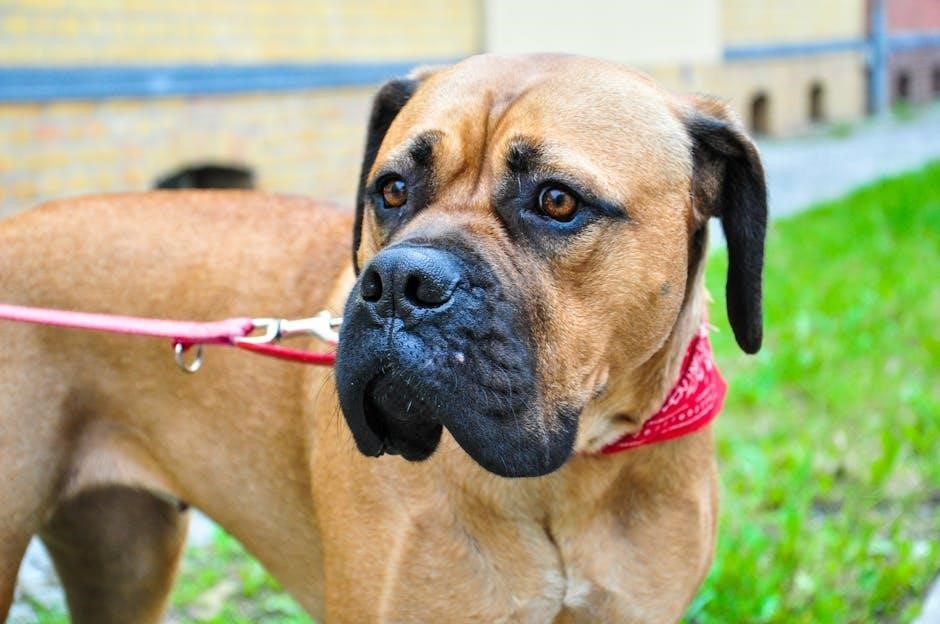
Over-the-collar bandanas may need slight adjustments to the collar itself. A looser collar setting allows the bandana to sit comfortably, while a tighter setting provides more security.
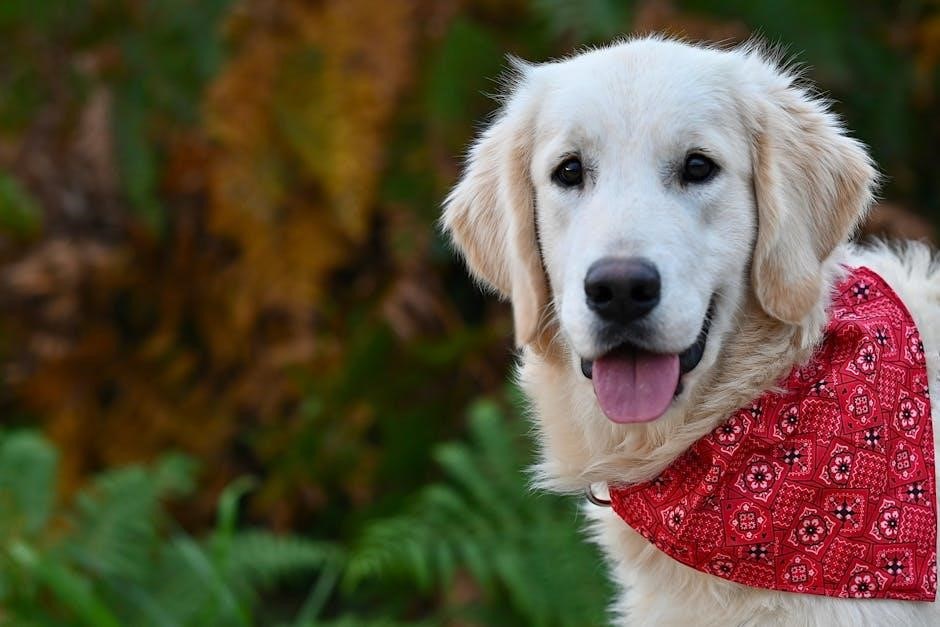
Observe your dog’s behavior. If they seem uncomfortable or are constantly trying to remove the bandana, it’s likely too tight or irritating. Prioritize their comfort above all else!
DIY Bandana Sizing: Using Existing Patterns
Creating custom dog bandanas is a rewarding project, and utilizing existing patterns simplifies the sizing process considerably. A standard bandana serves as an excellent template for various sizes; simply trace its shape onto your chosen fabric.
For triangular bandanas, focus on the height and base measurements. Adjust these dimensions proportionally to create smaller or larger bandanas. Remember, the base length will determine how much of the neck is covered.
Consider using a dog’s current collar as a sizing reference. Lay the collar flat and measure the desired bandana length from the collar’s center point to each end.
Don’t forget to account for seam allowances! Add approximately 0.5 inches to all sides of your pattern to ensure a clean and finished edge after sewing. Pinking shears are essential to prevent fraying.
Fabric Choice and its Impact on Bandana Size
The fabric you select significantly influences the final bandana size and fit, due to variations in weight, drape, and stretch. Lighter-weight fabrics, like quilting cotton, offer a comfortable feel but may require slightly larger cuts to achieve the desired coverage.
Flannel, known for its softness and cozy texture, tends to have a slightly bulkier feel. This means you might be able to use a slightly smaller cut of flannel compared to quilting cotton for the same neck size.
Consider the fabric’s tendency to fray. Some fabrics require more extensive finishing, like rolled hems, which can subtly alter the overall dimensions.
Pre-washing your fabric is crucial! This prevents shrinkage after the bandana is made, ensuring a consistent and accurate fit for your furry friend.
Flannel vs. Quilting Cotton Considerations
When choosing between flannel and quilting cotton for dog bandanas, several factors come into play, impacting both cost and comfort. Quilting cotton, while offering a vast array of patterns, often comes with a higher price tag per yard.
Flannel, frequently found in the same patterns as quilting cotton, typically presents a more budget-friendly option, often 1-2 dollars less per yard. This makes it an attractive choice for those creating multiple bandanas or experimenting with designs.
Beyond cost, flannel’s inherent softness provides enhanced comfort for your dog, especially beneficial for pups with sensitive skin.
However, flannel can be slightly bulkier than quilting cotton, potentially influencing the bandana’s drape and requiring minor adjustments to the cutting pattern.
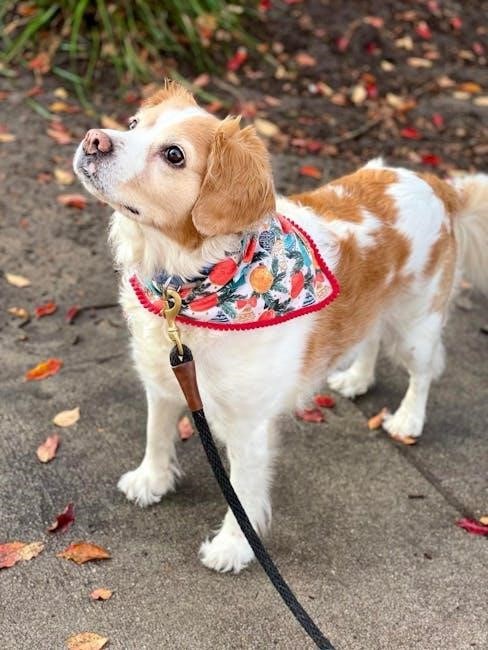
Creating Custom Bandanas: Calculating Fabric Requirements
Designing custom dog bandanas allows for personalized style, but accurately calculating fabric needs is crucial to avoid waste and ensure a perfect fit. A simple approach involves using a standard bandana as a pattern, easily replicated by cutting fabric into triangular shapes.
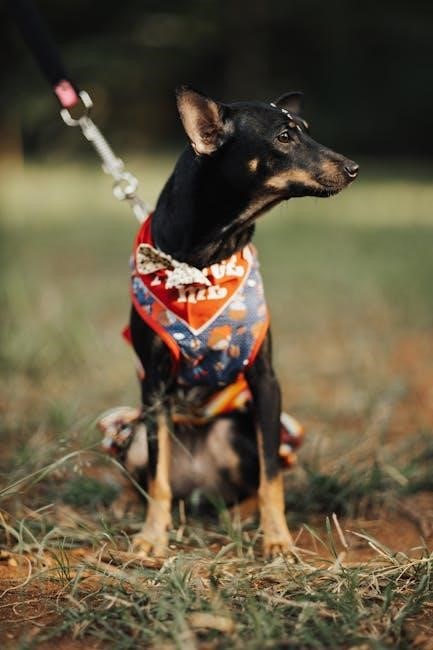
For crocheted bandanas, approximately 15-17 rows using size 4 worsted cotton yarn from brands like Peaches & Cream can yield a suitable size. However, this depends on the desired bandana length.
Consider your dog’s neck size and breed-specific size charts as references. Adjust the fabric dimensions accordingly, adding extra length for tying or collar slip-over styles.
Remember to account for seam allowances and potential fabric shrinkage during washing. A little extra fabric is always preferable to coming up short!
Using Dog Breed Size Charts as a Reference
Leveraging dog breed size charts provides a valuable starting point for estimating bandana dimensions, especially when creating custom pieces. These charts offer average neck measurements for various breeds, helping you determine the appropriate bandana size without directly measuring every dog.
However, remember that breed charts provide generalizations; individual dogs within a breed can vary significantly in size. A Chihuahua, for example, might be smaller or larger than the average listed on a chart.
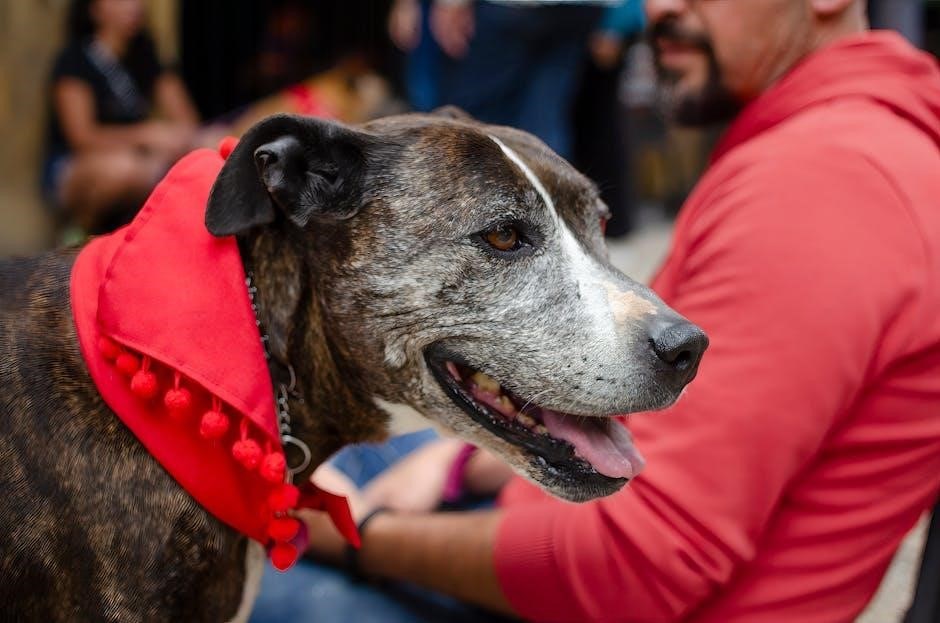
Combine breed chart data with your dog’s actual neck measurement for the most accurate fit. Use the chart as a reference to initially gauge size, then refine based on precise measurements.
Consider the bandana’s style – tie-on or over-the-collar – when interpreting chart data. Tie-on bandanas may require slightly more length for tying comfortably.
Pinking Shears: Preventing Unraveling
Pinking shears are an invaluable tool when crafting dog bandanas, specifically designed to minimize fabric fraying and create a clean, professional edge. Unlike standard scissors that cut straight across fabric fibers, pinking shears utilize a zigzag blade.
This zigzag cut seals the fabric edge, significantly reducing the likelihood of unraveling during wear and washing. This is particularly crucial for bandanas, which experience frequent handling and laundering.
Using pinking shears eliminates the need for complex hemming techniques, saving time and effort in the bandana-making process. They are especially beneficial when working with fabrics prone to fraying, like flannel or quilting cotton.
Simply cut along the edges of your bandana fabric with pinking shears before finishing, ensuring a durable and aesthetically pleasing result.
Seasonal Bandana Sizing Considerations (Christmas, Halloween)
When selecting bandanas for seasonal events like Christmas or Halloween, consider potential layering with costumes or sweaters. A slightly larger size might be necessary to comfortably accommodate extra clothing underneath the bandana, ensuring your dog’s comfort.
Bulkier fabrics often used in holiday-themed bandanas can also impact fit. Thicker materials may require a size up to prevent constriction or discomfort around your dog’s neck.
For festive bandanas with embellishments, ensure they don’t add excessive bulk or pose a choking hazard. Prioritize safety and comfort alongside style.
Always double-check the fit, allowing enough room for your dog to breathe and move freely. A properly fitted seasonal bandana adds a touch of holiday cheer without compromising your pet’s well-being.
Where to Buy Pre-Made Bandanas and Their Sizing
Numerous retailers offer pre-made dog bandanas, each with potentially varying sizing charts. Buck and Lola carries a diverse range of accessories for all dog sizes, providing a convenient option for pet owners.
When purchasing online, carefully review the seller’s specific size guide. Common sizing categories include Extra Small (2-9 lbs), Small (10-20 lbs), Medium (21-45 lbs), Large (46-80 lbs), and Extra Large (over 80 lbs).
Pay attention to customer reviews regarding sizing accuracy. Some brands may run smaller or larger than others, so feedback from other buyers can be invaluable.
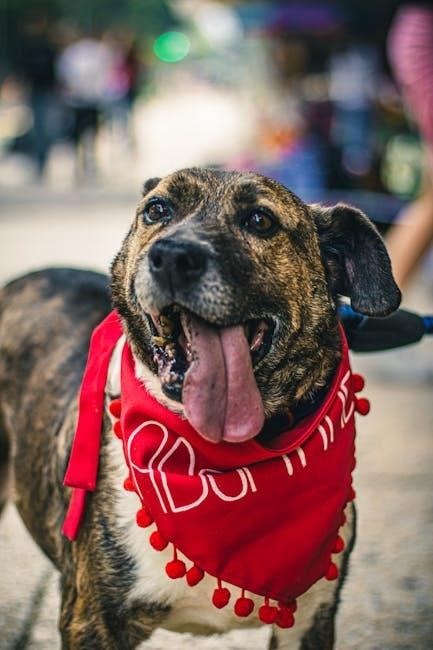
Consider the bandana’s style – over-the-collar or tie-on – as this can influence the required size. Always prioritize a comfortable and secure fit for your furry friend!