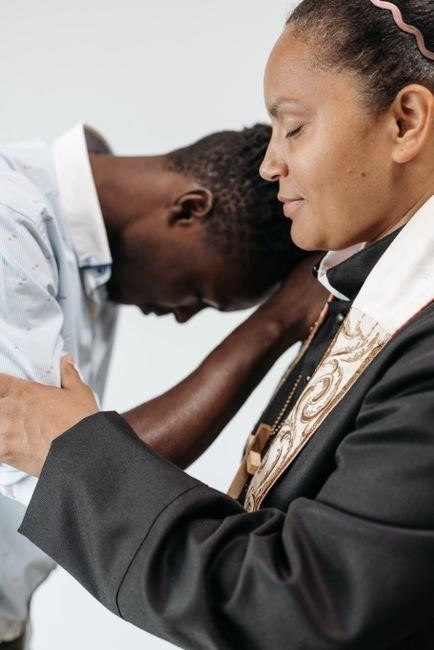
Overview of the Anointing of the Sick Rite PDF
Download the Anointing of the Sick PDF to access a concise guide that blends apostolic tradition, St. James’ exhortation, and the Roman Ritual’s continuous rite. It details prayers, oil anointing steps, viaticum instructions, and practical use for priests and clergy. Itprofor administeringthe sacrament.!
1.1 Purpose and Significance in Catholic Liturgy
The Anointing of the Sick PDF serves as a practical companion for clergy, laity, and caregivers, encapsulating the sacramental theology that underlies the rite. It traces its roots to the apostolic tradition, citing St. James’ exhortation: “Is any among you sick? Let him call for the elders, presbyters of the Church, and let them pray over him, anointing him with oil in the name of the Lord.” This scriptural anchor highlights the rite’s dual function as an act of healing and a profound expression of communal faith. The PDF presents the continuous rite for penance, anointing, and viaticum, a practice codified in the Roman Ritual for those in imminent danger of death. By integrating these elements, the document illustrates how the sacrament offers spiritual nourishment, physical comfort, and a final preparation for the Eucharistic communion. The anointing with oil, performed in the name of the Lord, symbolizes the Holy Spirit’s grace, while the viaticum—Eucharistic communion—provides the soul with the body of Christ for the journey beyond. The guide also emphasizes the role of the priest and the congregation: the priest administers the sacraments, the elders offer intercessory prayers, and the community participates in the liturgy of healing. The PDF’s concise format ensures accessibility for parish ministries, enabling faithful implementation of the rite in diverse pastoral settings. By preserving the apostolic heritage and aligning with canonical norms, the Anointing of the Sick PDF reinforces the Catholic Church’s commitment to caring for the sick, affirming that the sacrament remains a vital source of grace, hope, and communion with God and one another to

Historical Development of the Rite
Early references by St. James and Apostolic Tradition show the rite’s origin. The Roman Ritual later codified a continuous rite for penance, anointing, and viaticum, ensuring the sick receive sacraments in one solemn celebration. The rite remains cornerstone of care.
2.1 Early References by St. James and Apostolic Tradition
Early Christian practice of anointing the sick is rooted in the apostolic tradition, with the earliest explicit reference found in the Epistle of St. James. The passage, “Is any among you sick? Let him call for the elders, presbyters of the Church, and let them pray over him, anointing him with oil in the name of the Lord; and the prayer of faith will save the sick,” underscores the sacramental nature of oil and prayer. This instruction was later echoed in the Apostolic Tradition, a 4th‑century compilation of liturgical norms that affirmed the rite as a means of spiritual healing and physical comfort. Over the centuries, the rite evolved within the Roman Catholic Church, culminating in the Roman Ritual’s continuous rite for penance, anointing, and viaticum. The ritual, codified in the 16th‑century Roman Missal, allowed a single celebration to confer all three sacraments upon a person in danger of death. The rite’s development reflects a theological continuity: the belief that the anointing with oil, coupled with prayer, can effect divine grace, while the viaticum provides nourishment for the soul. The 20th‑century reforms of the Second Vatican Council reaffirmed the rite’s pastoral significance, encouraging clergy to administer it with sensitivity and reverence. Today, the Anointing of the Sick PDF offers a concise, faithful guide that preserves this rich historical lineage while providing practical instructions for contemporary use. The PDF also explains how oil’s anointing symbolizes biblical healing and sanctification for the soul
Canonical Basis and Liturgical Framework
The Anointing of the Sick PDF aligns with Canon 1530, detailing the sacrament’s administration. It references the Code of Canon Law, which mandates clergy to perform the rite with oil, prayer, and viaticum. The Catechism affirms its healing grace, guiding faithful through liturgical norms. Clergy aid today.
3.1 Code of Canon Law and the Catechism of the Catholic Church
The Anointing of the Sick PDF is grounded in Canon 1530, which specifies that the sacrament may be administered by a priest or deacon, with the oil of anointing, prayers, and viaticum. The Code of Canon Law clarifies that the rite must be performed with the proper intention, in the presence of the sick person, and that the sacrament confers healing and spiritual strength. The Catechism of the Catholic Church (CCC 1474‑1477) elaborates that the sacrament is a sign of God’s mercy and a source of grace for the sick, emphasizing the role of the priest as a minister of healing. The PDF includes the canonical text, the liturgical prayers, and guidelines for the faithful to use the rite in parish and home settings. It also references the 1983 Roman Ritual, which provides a continuous rite for penance, anointing, and viaticum, ensuring that the sick receive all three sacraments in one ceremony. This alignment with canon law and catechetical teaching ensures that the PDF serves as a reliable resource for clergy and laity alike, fostering a deeper understanding of the sacrament’s theological and pastoral significance. The PDF also incorporates the latest pastoral directives, ensuring that the rite remains accessible to all, including those in remote underserved communities, and it encourages the faithful to pray for the sick as a communal act of solidarity. It also offers a concise summary of the sacramental theology. making it a resource for and faithful parishioners seeking insight.!
Core Components of the PDF Content
The PDF contains prayers, anointing instructions, viaticum guidelines, canonical references, and practical steps for clergy and laity. It outlines oil preparation, blessing rites, and the priest’s role, ensuring faithful adherence to canon law and catechetical teachings. The document includes a summary of the rite’s history!
4.1 Prayers, Anointing Instructions, and Viaticum Guidelines
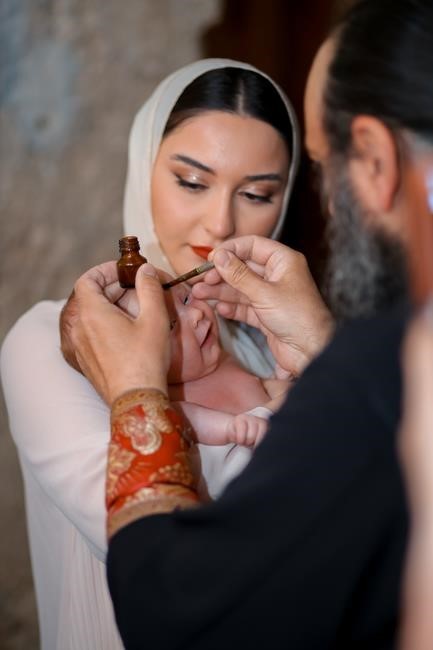
In the PDF, the prayers section opens with the traditional invocation “Let the sick be called to the elders, that they may pray over him and anoint him with oil in the name of the Lord.” This is followed by the full Anointing of the Sick prayer, adapted from the Roman Ritual, which includes the words of faith, the petition for healing, and the blessing of the oil. The anointing instructions are step‑by‑step: the priest first blesses the oil with a prayer of consecration, then anoints the forehead, hands, and chest of the patient, repeating the phrase “May the Lord bless you.” The viaticum guidelines are concise: if the patient is in imminent danger of death, the priest may administer the Eucharist as viaticum during the same celebration. The PDF explains the canonical basis—Canon 919 and the Catechism’s teaching on the sacrament’s purpose—and provides a short liturgical rubric for the priest to follow, ensuring that the rite is performed with reverence and in accordance with Church law. The document also includes a brief historical note that the rite is rooted in apostolic tradition, citing St. James’ exhortation in the Acts of the Apostles and the continuous rite described in the Roman Ritual. The PDF is designed for quick reference by clergy and lay ministers, with clear headings, bullet points, and a printable format that can be used in parish settings or at home. The overall goal is to equip the faithful with a reliable resource that preserves the integrity of the sacrament while making it accessible for everyday use.
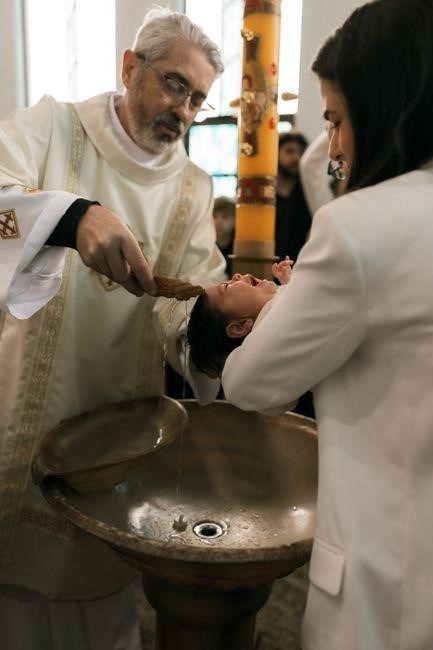
Liturgical Materials Required
Oil of anointing, a small chalice, a wooden spoon, a linen cloth, a prayer book, and a sacramental candle. The PDF lists each item, explains its use, and offers a checklist for priests to ensure readiness during the rite. Use a clean cloth and a small bowl for the oil.
5.1 Oil of Anointing, Chalice, and Other Implements
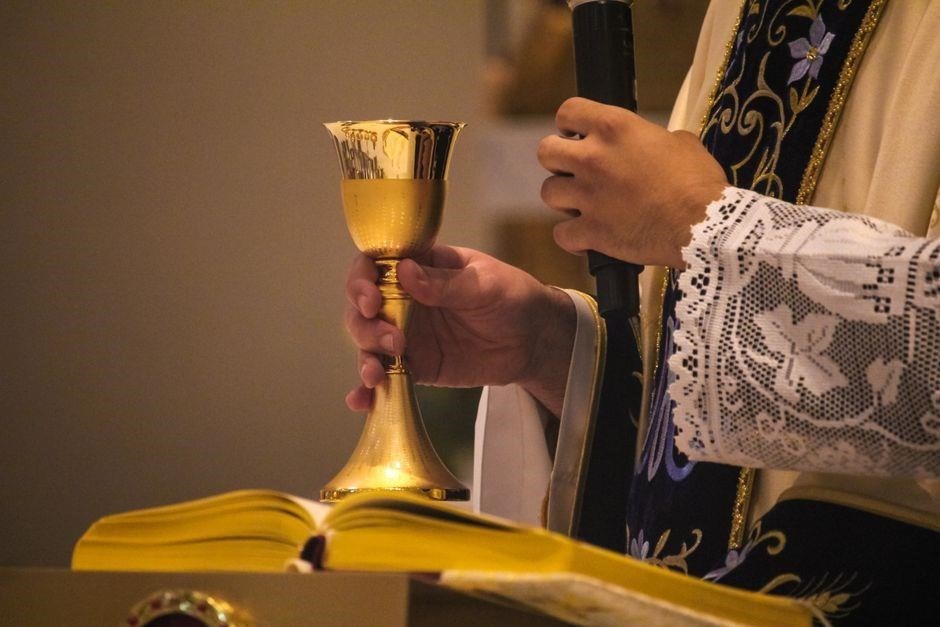
In the Anointing of the Sick PDF, the oil of anointing is described as the consecrated oil of the Church, blessed by a bishop or priest, used to anoint the forehead, hands, and feet of the sick. The chalice, a small silver or pewter vessel, holds the oil and is placed on a linen cloth. A wooden spoon or small ladle is used to transfer the oil. The PDF also lists a sacramental candle, a small bowl for water, and a clean linen cloth for wiping. Priests are instructed to keep the implements clean, to use a single‑use cloth for each person, and to store the oil in a cool, dark place. The chalice must be sealed with wax after each use. The PDF emphasizes that the implements should be prepared before the rite, with the oil warmed to body temperature, and the chalice set on a small altar or table. The priest should recite the prayer of anointing while placing a drop on the forehead, then on the hands, and finally on the feet. The implements are then washed and stored for future use. The PDF provides a checklist for the priest to ensure all items are present and ready before the rite begins. The PDF also advises that the oil be kept in a small glass bottle, sealed with a cork, and that the chalice be cleaned with a mild detergent after each use. Priests should record the name of the sick person, the date, and the amount of oil used. The document recommends a simple notation system so that the sacrament can be traced and the oil can be replenished when necessary. The PDF also includes a brief reflection on the spiritual significance of the anointing, emphasizing healing grace and communal support. The PDF also encourages a short meditation on forgiveness and hope.

Role of Priests, Elders, and Congregational Participation
Priests lead the rite, invoking the Lord’s grace, while elders offer prayers of faith and support. The congregation participates by offering silent prayers, holding the sick, and providing spiritual encouragement. Together, they embody the Church’s healing mission. The rite fosters communal healing and hope!!
6.1 Prayers of Faith and the Elders’ Responsibility
The PDF also instructs elders to maintain a respectful silence during the anointing, allowing sick experience presence. It encourages the use of blessed oil container, and reminds elders to bless the oil before use, invoking the Holy Trinity. The rite’s structure ensures that sick receives a holistic experience, combining physical anointing, spiritual prayer, and communal support; By following these guidelines, rite becomes a powerful testament to Church’s healing mission, fostering hope and resilience in the face of illness.OK!

Practical Guidance for Accessing and Using the PDF
Download the Anointing of the Sick PDF from the official Catholic site. Open it with Adobe Reader or any mobile PDF app. The file is PDF/A‑1b, ensuring long‑term compatibility. Save locally, bookmark the link, and use the built‑in search for key prayers. Keep updated by checking the source site. soon. OK
7.1 Download Options, Compatibility, and Reading Formats
Once downloaded, open the PDF with a standard reader such as Adobe Acrobat Reader, Foxit Reader, or the built‑in viewer on macOS and Windows. Mobile users can employ apps like Adobe Acrobat Reader for iOS or Android, which support the PDF/A standard and offer features such as bookmarking, highlighting, and annotation. The PDF/A‑1b version embeds all fonts and images, so the document displays identically on any device.
If compatibility issues arise—such as missing fonts or corrupted pages—try opening the file with a different reader or converting it to a newer PDF version using tools like PDF‑Creator or online converters.
For those who wish to keep the resource up to date, the portal offers a “last updated” timestamp and a link to the latest revision. Bookmark the page and check periodically for updates, especially before a liturgical season or a pastoral event. By following these steps, clergy, catechists, and the faithful can reliably access, read, and distribute the Anointing of the Sick Rite in a format that meets both liturgical standards and practical needs Thanks