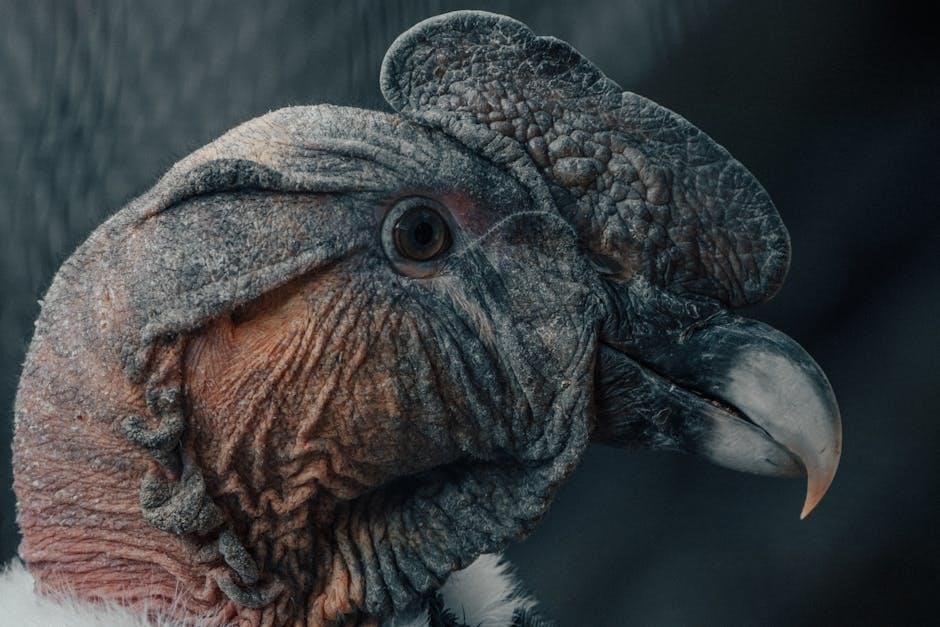
Conservation biology scientifically studies biodiversity, aiming to protect species, habitats, and ecosystems from excessive extinction through focused, practical actions and research․
Defining Conservation Biology
Conservation biology is a mission-oriented discipline, scientifically studying the maintenance of Earth’s biodiversity․ It addresses the loss of species, habitats, and ecosystems, striving to find practical solutions․ This field integrates ecological principles with policy and management to mitigate extinction risks․
Essentially, it’s about understanding and preserving the variety of life – encompassing species diversity, genetic diversity, and ecosystem diversity – as highlighted in available course materials․ Conservation efforts require a holistic approach, considering both biotic and anthropogenic factors impacting species distribution, as detailed in recent research․
Historical Development of the Field
Conservation biology emerged as a distinct discipline in the late 20th century, though its roots lie in earlier conservation movements․ Initially focused on managing wildlife for human use, the field broadened its scope with growing awareness of biodiversity loss and ecosystem degradation․
The formalization of conservation biology as a science gained momentum through academic programs and research initiatives․ Early work focused on population ecology and habitat management, evolving to incorporate genetics and landscape ecology․ Contemporary studies increasingly integrate human dimensions and address global challenges like climate change, building upon decades of ecological understanding․
The Importance of Biodiversity
Biodiversity, encompassing species, genetic, and ecosystem diversity, is fundamental to the health and resilience of our planet․ It provides essential ecosystem services – clean air, water, pollination, and climate regulation – crucial for human well-being․ A diverse biosphere supports food security, medicine, and economic stability․
Loss of biodiversity weakens ecosystems, making them more vulnerable to disturbances and reducing their capacity to adapt to change․ Conserving biodiversity isn’t merely an environmental concern; it’s vital for sustaining life on Earth and ensuring a prosperous future for generations to come․
Levels of Biodiversity
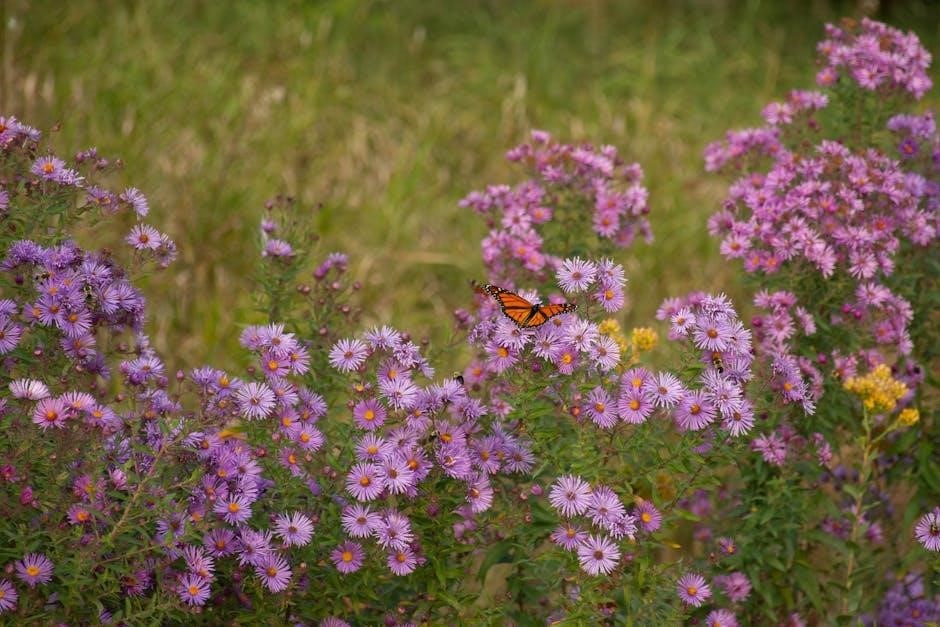
Biodiversity manifests across three key levels: genetic diversity within species, species diversity in communities, and ecosystem diversity across landscapes․
Genetic Diversity
Genetic diversity, the variety of genes within a species, is crucial for adaptation and long-term survival․ Conservation programs increasingly assess heterozygosity levels – a key metric indicating genetic variation – to inform breeding strategies and minimize inbreeding depression․
Forest-forming species exhibit population and genetic changes, impacting genetic resources․ Maintaining gene flow and connectivity between populations is vital, preventing genetic drift and ensuring resilience․ Understanding these genetic considerations is paramount for effective conservation, especially when addressing habitat fragmentation and population decline․
Species Diversity
Species diversity represents the variety of species within a given habitat or region, forming the foundation of ecosystem function․ Conservation biology prioritizes protecting this diversity to maintain ecological stability and essential ecosystem services․ Assessing and monitoring species richness and abundance are fundamental tasks․
Marine conservation efforts, particularly regarding fish diversity, are critical due to overfishing and habitat degradation․ Biodiversity, broadly defined, encompasses all life forms, and its loss threatens ecological integrity․ Conservation strategies aim to prevent excessive extinction and preserve the intricate web of life․
Ecosystem Diversity
Ecosystem diversity encompasses the variety of habitats, communities, and ecological processes within a landscape․ This level of biodiversity is crucial for providing a range of ecosystem services, including clean water, pollination, and climate regulation․ Conservation efforts increasingly focus on maintaining the integrity of entire ecosystems․
Specific ecosystems, like semi-arid rangelands, require tailored conservation approaches, considering carbon offsets and sustainable land management․ Forest ecosystems also demand attention, particularly regarding the preservation of genetic resources within tree populations, vital for adaptation and resilience․
Threats to Biodiversity
Biodiversity loss stems from habitat destruction, overexploitation, invasive species, and climate change – all impacting species and ecosystems globally․
Habitat Loss and Fragmentation
Habitat loss, driven by agricultural expansion, urbanization, and resource extraction, represents a primary threat to biodiversity․ As natural areas diminish, species face reduced populations and increased extinction risk․ Fragmentation further exacerbates the problem, dividing continuous habitats into isolated patches․
This isolation restricts gene flow, limits access to resources, and increases vulnerability to edge effects – altering microclimates and increasing predation․ Formalizing biotic and spatial restrictions helps understand these impacts․ Conservation efforts must prioritize habitat preservation and restoration to mitigate these detrimental effects, ensuring connectivity between fragmented landscapes for species survival․
Overexploitation of Resources
Overexploitation, encompassing unsustainable harvesting of plants and animals, poses a significant threat to numerous species․ This includes overfishing – a critical concern in marine conservation biology, impacting fish diversity – and excessive logging of forests, diminishing genetic resources within forest-forming species․
Unsustainable practices deplete populations faster than they can recover, leading to declines and potential extinctions․ Effective sustainable resource management is crucial, requiring careful monitoring, regulated harvesting, and enforcement of conservation policies․ Understanding population dynamics, through methods like Population Viability Analysis (PVA), is vital for preventing overexploitation․
Invasive Species
Invasive species represent a major driver of biodiversity loss, disrupting established ecosystems and outcompeting native flora and fauna; These non-native organisms often lack natural predators or controls in their new environment, allowing for rapid proliferation and widespread impact․
Their introduction can alter habitat structure, introduce diseases, and even hybridize with native species, reducing genetic diversity․ Conservation efforts must include prevention of introductions, early detection, and control or eradication programs․ Understanding the ecological interactions and potential impacts is crucial for effective management of invasive species threats․
Climate Change Impacts
Climate change poses a significant and escalating threat to biodiversity globally, altering habitats and disrupting ecological processes at an unprecedented rate․ Rising temperatures, shifting precipitation patterns, and increased frequency of extreme weather events are forcing species to adapt, migrate, or face extinction․
These changes impact species distributions, phenology, and interspecies interactions․ Conservation strategies must incorporate climate change projections, focusing on enhancing ecosystem resilience, facilitating assisted migration, and reducing other stressors to bolster species’ adaptive capacity․ Addressing this challenge is paramount for long-term conservation success․
Conservation Strategies
Effective strategies include establishing protected areas, implementing species-specific plans, restoring habitats, and promoting sustainable resource management for biodiversity protection․
Protected Areas and Reserves
Establishing protected areas and reserves is a cornerstone of conservation, safeguarding biodiversity hotspots and critical habitats from detrimental human activities․ These areas, ranging from national parks to smaller reserves, provide refuge for species and maintain ecological processes․
Effective management is crucial, encompassing zoning, monitoring, and enforcement to mitigate threats like poaching and habitat degradation․ Connectivity between reserves is also vital, facilitating gene flow and allowing species to adapt to changing conditions․
Successful implementation requires collaboration with local communities, ensuring their involvement in conservation efforts and addressing their socio-economic needs․
Species-Specific Conservation Plans
Species-specific conservation plans are targeted strategies designed to address the unique threats facing individual species at risk of extinction․ These plans involve detailed assessments of population status, habitat requirements, and limiting factors․
Key components include captive breeding programs, reintroduction efforts, and mitigation of threats like poaching or disease․ Monitoring population trends and adapting management strategies based on data are essential for success․
Collaboration among scientists, conservation organizations, and government agencies is crucial for effective implementation and long-term species recovery․
Habitat Restoration
Habitat restoration focuses on assisting the recovery of a degraded, damaged, or destroyed ecosystem․ This proactive approach aims to reinstate ecological functions and biodiversity, benefiting numerous species simultaneously․ Techniques vary widely, encompassing reforestation, wetland reconstruction, and removal of invasive species․
Successful restoration requires a thorough understanding of the ecosystem’s historical condition and current stressors․ Long-term monitoring is vital to assess effectiveness and adapt management practices․
Restoration efforts often integrate with broader conservation strategies, enhancing overall ecosystem resilience;
Sustainable Resource Management
Sustainable resource management involves utilizing natural resources in a way that meets present needs without compromising the ability of future generations to meet their own․ This approach necessitates careful consideration of ecological limits and long-term consequences․
Key principles include minimizing waste, promoting efficiency, and integrating ecological knowledge into decision-making processes․ It often involves balancing economic development with environmental protection․
Effective management requires adaptive strategies, monitoring, and stakeholder collaboration to ensure long-term resource availability and ecosystem health․
Population Viability Analysis (PVA)
PVA assesses extinction risk by modeling population dynamics, incorporating factors like birth rates, death rates, and environmental variability for effective conservation․
Assessing Extinction Risk
Extinction risk assessment is a core component of conservation efforts, utilizing various methods to determine the likelihood of a species’ disappearance․ Population Viability Analysis (PVA) plays a crucial role, employing quantitative models to forecast future population trends․ These models integrate demographic data – birth and death rates – alongside environmental factors and potential disturbances․
Analyzing these elements allows conservationists to identify key threats and vulnerabilities․ Furthermore, understanding a species’ sensitivity to changes in its environment is paramount․ Assessing extinction risk isn’t simply about numbers; it informs proactive conservation strategies, prioritizing species most in need of immediate intervention and resource allocation․
Modeling Population Dynamics
Modeling population dynamics is central to Population Viability Analysis (PVA), allowing conservation biologists to predict how populations will change over time․ These models incorporate factors like birth rates, death rates, immigration, and emigration, alongside environmental stochasticity and catastrophic events․
Different modeling approaches exist, ranging from simple exponential growth models to complex, age-structured matrix models․ Accurate modeling requires robust data collection and a thorough understanding of the species’ life history․ The insights gained from these models are vital for evaluating the effectiveness of conservation interventions and guiding management decisions․
Heterozygosity and Conservation Programs
Assessing heterozygosity levels is a key metric in conservation, directly influencing the design of effective programs․ Higher heterozygosity generally indicates greater genetic diversity, enhancing a population’s ability to adapt to changing environments and resist diseases․
Conservation strategies often prioritize maintaining or increasing heterozygosity, particularly in endangered species with limited genetic variation․ This can involve carefully managed breeding programs to maximize genetic mixing and minimize inbreeding depression, ultimately bolstering long-term population viability and resilience․
Genetic Considerations in Conservation
Genetic factors like inbreeding depression, genetic drift, and gene flow significantly impact small populations, demanding careful management for long-term species survival․
Inbreeding Depression
Inbreeding depression arises from increased homozygosity within a population, exposing deleterious recessive alleles․ This often results in reduced reproductive performance, growth rates, and overall fitness․ Small, isolated populations are particularly vulnerable, as they experience higher rates of mating between closely related individuals․
Consequently, conservation programs must actively mitigate inbreeding by promoting gene flow, either through managed relocation of individuals or by establishing corridors connecting fragmented habitats․ Assessing and monitoring genetic diversity, including heterozygosity levels, is crucial for identifying populations at risk and guiding effective conservation strategies to counteract the negative effects of inbreeding․
Genetic Drift
Genetic drift represents the random fluctuation of allele frequencies within a population, particularly impactful in smaller groups․ This random process can lead to the loss of genetic variation, reducing a population’s capacity to adapt to changing environmental conditions․ It’s a significant concern for endangered species already experiencing limited gene pools․
Conservation efforts must address genetic drift by maintaining large, connected populations whenever possible․ Strategies like assisted gene flow – carefully introducing individuals from other populations – can help restore lost genetic diversity and bolster resilience against future challenges․ Monitoring allele frequencies is vital for detecting drift and informing management decisions․
Gene Flow and Connectivity
Gene flow, the transfer of genetic material from one population to another, is crucial for maintaining genetic diversity and countering the negative effects of genetic drift․ Connectivity – the degree to which populations are linked by gene flow – directly influences a species’ ability to adapt and persist․ Fragmented habitats severely restrict gene flow, isolating populations and increasing their vulnerability․
Conservation strategies prioritize maintaining or restoring connectivity through habitat corridors and minimizing barriers to dispersal․ Assessing gene flow patterns helps identify critical linkages and informs landscape-level conservation planning․ Facilitating movement allows for genetic rescue, bolstering dwindling populations with new genetic variation․
Conservation in Specific Ecosystems
Specific ecosystems, like semi-arid rangelands and marine environments, require tailored conservation approaches, considering unique challenges to biodiversity and genetic resources․
Conservation in Semi-Arid Rangelands
Semi-arid rangelands present unique conservation challenges due to their fragile ecosystems and susceptibility to degradation․ Effective strategies involve sustainable grazing management, preventing overstocking, and promoting responsible land use practices․
Conservation efforts also focus on maintaining plant diversity, crucial for supporting wildlife and resisting drought․ Carbon offset programs are increasingly utilized within these landscapes, offering economic incentives for conservation․ Understanding the interplay between biotic factors, spatial accessibility, and human impacts is vital for successful rangeland conservation, requiring formalized restrictions on distribution․
Marine Conservation Biology ⎼ Fish Diversity
Marine conservation biology, specifically concerning fish diversity, faces escalating threats from overfishing and habitat destruction․ Assessing fish populations and understanding their ecological roles are paramount for effective management․ Conservation strategies include establishing marine protected areas, implementing sustainable fishing quotas, and reducing pollution․
Lecture notes emphasize the importance of studying fish biodiversity to maintain healthy marine ecosystems․ Addressing anthropogenic restrictions on fish distribution, alongside biotic factors, is crucial․ Conservation efforts require a holistic approach, integrating ecological knowledge with socio-economic considerations to ensure long-term sustainability․
Forest Ecosystem Conservation ⎼ Genetic Resources
Forest ecosystem conservation heavily relies on preserving genetic resources within tree populations․ Understanding population and genetic changes in forest-forming species is vital for maintaining adaptability and resilience․ Assessing the effects of factors like fragmentation and climate change on genetic diversity is crucial for informed conservation planning․
Conservation strategies involve establishing seed banks, promoting gene flow between fragmented populations, and implementing sustainable forestry practices․ Protecting genetic resources ensures the long-term health and evolutionary potential of forest ecosystems, safeguarding their vital ecological functions and services․
Tools and Techniques in Conservation Biology
Conservation biologists utilize sampling methods, spatial analysis with GIS, and formalize biotic and anthropogenic restrictions to understand and mitigate threats to biodiversity․
Sampling Methods
Effective sampling is crucial for gathering data in conservation biology, informing assessments of biodiversity and population dynamics․ Techniques range from simple quadrat sampling for plant communities to mark-recapture methods for animal populations․
Researchers employ transects to survey linear habitats, and utilize remote sensing technologies like aerial photography and satellite imagery for broader landscape-level assessments․
Careful consideration of sample size, location, and potential biases is essential to ensure data accuracy and reliability, ultimately supporting informed conservation decisions․ These methods are often detailed within comprehensive conservation biology resources․
Spatial Analysis and GIS
Geographic Information Systems (GIS) are indispensable tools in modern conservation biology, enabling the visualization and analysis of spatial data․ GIS allows researchers to map species distributions, habitat types, and threats like habitat fragmentation;
Spatial analysis techniques help identify priority areas for conservation, model species movements, and assess the effectiveness of protected areas․
Integrating GIS with remote sensing data provides a powerful framework for landscape-scale conservation planning, facilitating informed decision-making and resource allocation, as detailed in many conservation biology publications․
Formalizing Biotic and Anthropogenic Restrictions
Understanding limitations on species distribution is crucial for effective conservation․ Recent research focuses on methods for formally defining both biotic – interactions with other organisms – and anthropogenic – human-caused – restrictions․
This includes mapping environmental accessibility and identifying human impacts that constrain where species can survive․
Formalizing these restrictions allows for more accurate predictive models of species ranges, especially under changing environmental conditions, aiding in targeted conservation efforts and proactive planning for biodiversity protection․
The Role of Policy and Legislation
Effective conservation relies on both international agreements and robust national environmental policies designed to protect biodiversity and regulate resource use․
International Conservation Agreements
Global biodiversity protection is significantly advanced through numerous international conservation agreements․ These treaties establish frameworks for collaborative efforts among nations to address transboundary environmental challenges․ Key examples include the Convention on Biological Diversity (CBD), aiming to conserve biodiversity, sustainably use its components, and fairly share benefits․
The Convention on International Trade in Endangered Species (CITES) regulates trade in endangered plants and animals, preventing overexploitation․ Furthermore, agreements like the Ramsar Convention protect wetlands of international importance․ These collaborative initiatives demonstrate a commitment to shared responsibility for safeguarding the planet’s natural heritage, fostering coordinated conservation strategies worldwide․
National Environmental Policies
Effective conservation relies heavily on robust national environmental policies tailored to specific regional contexts․ These policies often encompass protected area establishment, species-specific legislation, and regulations governing resource utilization․ The Endangered Species Act (ESA) in the United States exemplifies a comprehensive approach to protecting threatened and endangered species and their habitats․
Similarly, many nations implement environmental impact assessments for development projects, minimizing ecological damage․ Sustainable forestry practices and fisheries management regulations are also crucial components․ Strong enforcement mechanisms and public participation are vital for ensuring the success of these national policies in achieving long-term conservation goals․
Future Directions in Conservation Biology
Future efforts must address climate change, integrate human dimensions into conservation, and leverage advancements in genetic technologies for effective biodiversity protection․
Addressing Climate Change
Climate change presents a significant and escalating threat to biodiversity, demanding urgent and innovative conservation strategies․ Mitigation efforts, reducing greenhouse gas emissions, are crucial, but adaptation measures are equally vital․ These include assisting species in range shifts, restoring climate-resilient ecosystems, and managing for increased disturbance regimes․
Conservation planning must incorporate climate change projections, recognizing that historical distributions are no longer reliable predictors of future species occurrences․ Furthermore, integrating climate considerations into policy and legislation is paramount for long-term conservation success, ensuring a proactive rather than reactive approach to this global challenge․
Integrating Human Dimensions
Effective conservation necessitates acknowledging and integrating the social, economic, and cultural dimensions of biodiversity conservation․ Conservation initiatives frequently impact local communities, requiring collaborative approaches that prioritize equitable benefit-sharing and address potential conflicts․ Understanding human behaviors, values, and perceptions is crucial for designing successful and sustainable conservation strategies․
This integration involves participatory planning, incorporating local knowledge, and fostering stewardship among stakeholders․ Ignoring human dimensions often leads to conservation failures; therefore, a holistic, interdisciplinary approach is essential for achieving lasting conservation outcomes and ensuring long-term support for biodiversity protection․
Advancements in Genetic Technologies
Recent breakthroughs in genetic technologies are revolutionizing conservation biology, offering powerful tools for assessing and mitigating threats to biodiversity․ Analyzing heterozygosity levels, crucial for conservation program design, is now more efficient․ Genome sequencing, ancient DNA analysis, and environmental DNA (eDNA) techniques provide unprecedented insights into population structure, genetic diversity, and species distributions․
These advancements aid in identifying populations with unique adaptive potential, informing captive breeding programs, and detecting invasive species․ Furthermore, genetic technologies are facilitating the study of gene flow and connectivity, vital for maintaining long-term evolutionary potential within fragmented landscapes․